-
- Mumbai
- Lucknow
- Bangalore
- Indore
- Kanpur
- Nashik
- Bhopal
- Hyderabad
- Dial: +91 9329222197
- Chat on WhatsApp
-
-
 Green Tea $ 4.00
 -
 Biotin Complex $ 26.00
-
Biotin Complex $ 26.00
Total: $30.00 -
Overview
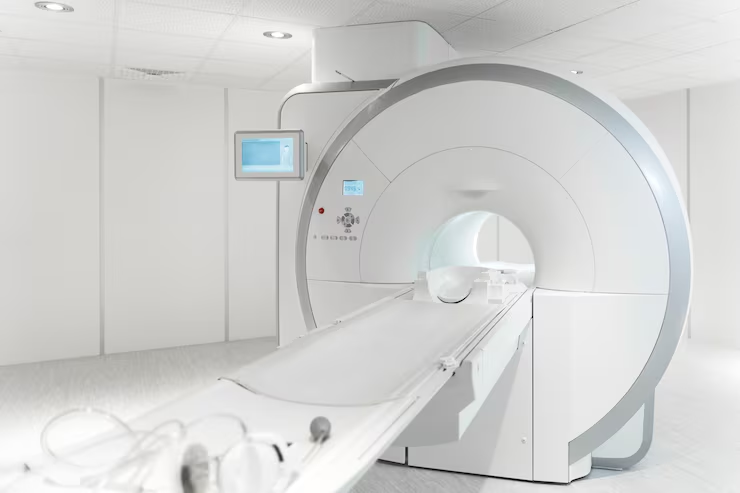
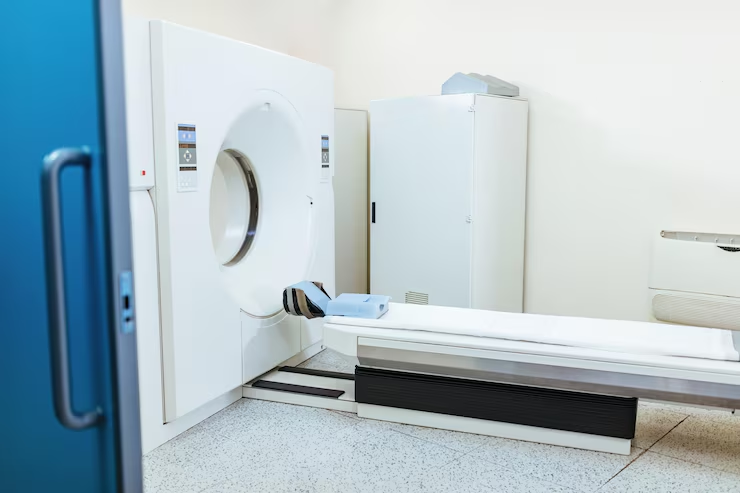
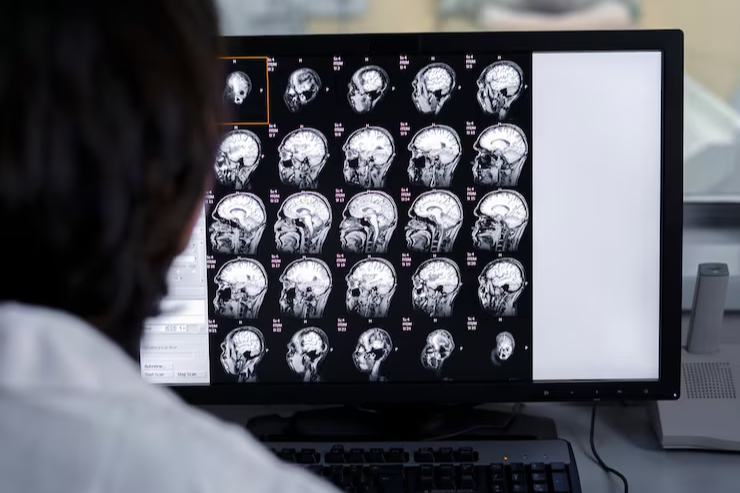
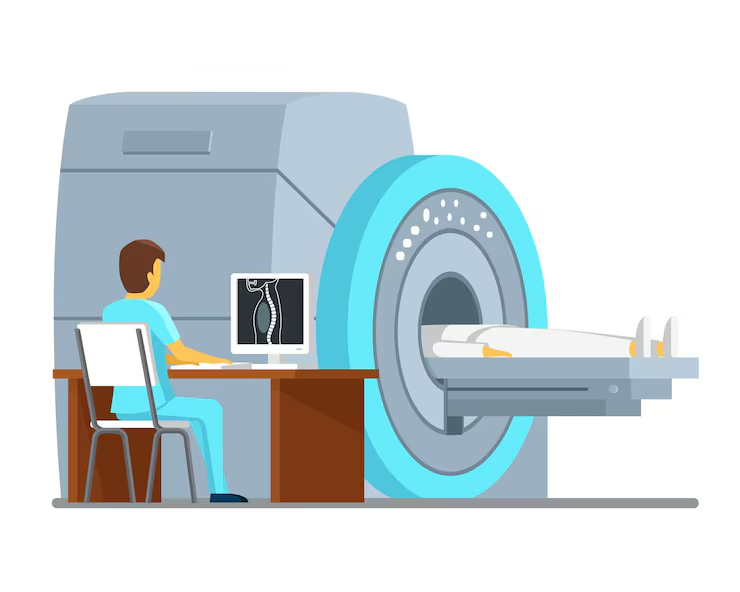
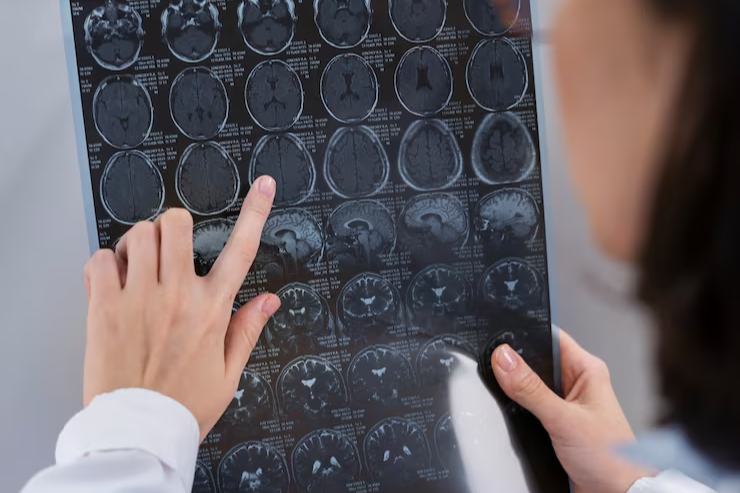
An MRI (Magnetic Resonance Imaging) scan is a highly advanced, radiation-free imaging technique that creates clear and detailed pictures of organs, tissues, and internal structures. It helps doctors diagnose conditions with exceptional accuracy — supporting smarter decisions, earlier detection, and better treatment outcomes. With our trusted diagnostic partners, patients get access to certified labs, modern MRI machines, and expert radiologists for precise reporting.
When is an MRI Recommended?
MRI is used when doctors need a deeper and clearer view of the body. It is commonly prescribed for:
-
Brain & nerve disorders
-
Spine & disc problems
-
Joint injuries (knee, shoulder, hip)
-
Tumors, cysts & abnormal growths
-
Heart, liver, kidney, and pelvic conditions
-
Suspected infections or inflammation
-
Blood vessel abnormalities
-
Unexplained pain or dizziness
Types of MRI Scans Available
We offer access to a wide range of MRI studies, including:
-
Brain MRI
-
Spine MRI (Cervical / Thoracic / Lumbar)
-
Knee / Shoulder / Hip MRI
-
Abdomen & Pelvis MRI
-
Cardiac MRI
-
MRI Angiography (MRA)
-
Contrast MRI
-
Whole-Body MRI (screening
Conditions MRI Helps Detect
MRI can identify a variety of conditions, such as:
-
Stroke
-
Tumors & metastasis
-
Herniated discs & nerve compression
-
Ligament tears & sports injuries
-
Multiple sclerosis
-
Dementia & epilepsy
-
Vascular disorders
-
Organ diseases
-
Infections & inflammations
Preparing for Your MRI
To ensure a smooth and comfortable procedure:
-
Remove all metal items.
-
Inform if you have implants, pregnancy, or allergies
-
Wear comfortable clothing (or use the provided gown)
-
Fasting may be required for contrast studies
Scans Price List
The prices may vary from centre to centre.Health Tips & Info
MRI scans are safe, non-invasive, and provide highly detailed images that help diagnose a wide range of medical conditions. Staying still, wearing comfortable clothing, and informing your doctor about implants ensures a smooth and accurate scan.
An MRI (Magnetic Resonance Imaging) uses magnetic fields and radio waves to capture detailed images of organs, bones, joints, and soft tissues. It involves no radiation and is commonly used for brain, spine, joints, and abdomen evaluations.
MRI is generally safe for everyone except individuals with certain metal implants (pacemakers, cochlear implants, aneurysm clips). It has no radiation and no long-term side effects. Mild warmth or slight discomfort from lying still is normal.
Wear loose clothing and avoid metal items such as jewelry, watches, and belts. Inform the radiology team about implants, pregnancy, or claustrophobia. For contrast MRI scans, fasting 4–6 hours may be required depending on the test.